Essential Blueprint for Heavy-Duty Vehicle Recovery and Commercial Fleet Logistics
Wiki Article
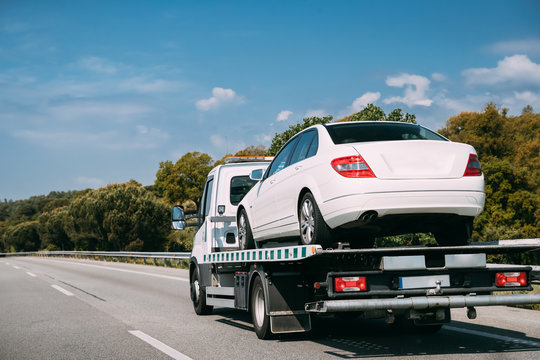
When commercial transport vehicles face unexpected mechanical breakdowns or roadway accidents, immediate specialized intervention is required to maintain highway safety. Proper recovery protocols ensure public safety, protect valuable corporate assets, and minimize highway traffic delays.
Commercial transport vehicles weigh significantly more than standard passenger cars, demanding high-capacity winches, rotators, and specialized boom lifts. From long-haul freight operations to municipal bus fleets, having access to rapid response transport services forms the backbone of modern supply chain resilience.
Core Engineering Principles in Heavy Equipment Transport
Recovering oversized machinery demands rigorous technical precision and adherence to strict safety standards. Key operational factors distinguishing large vehicle support include:
- Specialized Recovery Fleet Deployments: Operators utilize heavy-duty rotators, extended boom cranes, and 50-ton winch systems capable of lifting fully loaded semi-trucks.
- Weight Calculation and Axle Balancing: Proper positioning prevents tipping risks and preserves tires, suspension systems, and vehicle frames during transit.
- Hazardous Site Clearance and Safety Protocols: Emergency recovery operations require setting up perimeter warning zones, lighting systems, and traffic diversion paths.
Emergency Roadside Threats to Fleet Operations
Arranging immediate semi truck towing ensures that disabled freight haulers are transported safely to repair facilities without causing extended supply chain disruptions. Below are common operational issues affecting commercial rigs on the road:
Air Brake Lockups and System Pressure Drops:
When air pressure drops below critical thresholds, spring brakes lock automatically, immobilizing the vehicle completely.
Power Transmission and Differential Failures:
Experienced operators inspect transmission connections before initiating any long-distance haul.
Rollover Incidents and Off-Road Reclamations:
Pre-planning extraction angles ensures structural stability throughout the recovery phase.
Tire Blowouts and Axle Damage:
Prompt assistance prevents secondary damage to surrounding chassis components.
Step-by-Step Response Strategy for Fleet Managers
When a breakdown occurs, clear communication between drivers, dispatchers, and recovery personnel is essential to resolve the situation safely. Fleet management teams should implement the following response steps:
Driver Protocol during roadside Events
Driver safety remains the paramount priority during any highway emergency. Communicating accurate GPS coordinates and reporting cargo specifics helps dispatchers select appropriate commercial towing apparatus instantly.
Securing Freight and Site Coordinates
- Verify Load Conditions: Confirm whether cargo is hazardous, temperature-sensitive, or top-heavy to inform the incoming recovery team.
- Provide Precise Telemetry: Share exact highway mile markers, cross streets, and directional lanes to speed up recovery arrival times.
- Document Visual Evidence: Capture images of vehicle positioning, road conditions, and structural damage for insurance records.
- Coordinate Repair Destination: Establish designated repair facilities or fleet yards in advance to streamline post-recovery transport.
Environmental and Regulatory Standards in Heavy Recovery Operations
Weight limits, permit requirements, and hazardous material regulations govern how disabled vehicles are moved along public roads. Key regulatory areas include:
Overweight Vehicle Transport Authorizations:
Recovery operators must secure emergency transit permits when transporting heavy rigs across state lines.
Hazardous Material Handling protocols:
Proper handling prevents environmental contamination and ensures highway reopening approval.
Professional Industry Accreditations:
Certifications ensure mastery over complex winching mechanics, wire rope capacities, and safety rigging.
Final Assessment on Large Vehicle Recovery and Logistics
From minor mechanical breakdowns to severe roadside rollovers, specialized recovery equipment ensures commercial vehicles are handled with professional care. By understanding equipment capabilities, emergency protocols, and regulatory requirements, fleet operators can manage unexpected breakdowns with confidence.
Prioritize vehicle safety, maintain strict maintenance schedules, and rely on experienced recovery professionals to keep your business moving forward.
Report this wiki page