Honoring the Final Journey: Social Fabrics and Cultural Customaries in India
Wiki Article
Within the vibrant subcontinental heritage of India, traditions associated with honoring an individual's passing reflect a deep commitment to social solidarity. In every corner of the subcontinent, the traditions associated with honoring an individual's earthly chapter combine artistic beauty, historical reverence, and communal harmony. Moving beyond individual grief, these ceremonies strengthen social continuity, reinforcing family bonds, strengthening neighborhood networks, and preserving ancestral etiquette. The initial hours of the ceremonial gathering are characterized by meticulous cultural preparation. Family members gather to perform traditional preparation rituals passed down through untold generations. The individual is adorned in clean, elegant garments tailored to regional heritage and personal status. Simple white clothing remains the classic preference, reflecting social balance, harmony, and pristine beauty. Among various ethnic lineages, festive cultural cloths are used to mark a life full of accomplishment and honor. Flowers hold a deeply meaningful place throughout this artistic setup. Artistically woven wreaths of sweet jasmine, brilliant marigolds, and fresh roses are carefully arranged around the individual. These floral decorations are far more than aesthetic adornments; they express the collective affection and high esteem of the community. The delicate use of natural sandalwood, rosewater, and native herbs further highlights the aesthetic elegance and loving care embedded within the home-based preparations. A deeply moving and visually distinctive element in regional subcontinental customs is the organized neighborhood procession from the household to the local ceremonial grounds. Known across various regions as a procession of honor, this peaceful walk along shared streets transforms private grief into a shared community event. Neighbors, extended relatives, and acquaintances gather outside the domestic residence, wearing simple white traditional attire to demonstrate solidarity and visual harmony. The individual is carried upon a gracefully constructed frame crafted from sturdy local bamboo, decorated with fresh foliage and bright flowers. As the procession moves through the streets, participants share the responsibility of bearing the weight. Sharing this physical task stands as a powerful symbol of communal respect, symbolizing that no family carries the weight of a farewell alone. In many regions, the gentle chiming of bells and melodic flutes guides the walkers, establishing a solemn and respectful mood that informs the local district of a completed life journey. The extraordinary variety of Indian heritage is clearly visible within the distinct farewell practices found across states and communities. Even as mutual respect and community participation stay identical throughout, the visual and artistic details differ wonderfully from north to south, and east to west. Dead Body Transportation in Delhi Regardless of whether the final rites use natural earthen placement or traditional fire settings, the practice remains deeply rooted in local philosophy of offering the individual back to nature's elements through practices that prioritize environmental respect and cultural grace. Once the initial rites conclude, subcontinental tradition observes a dedicated period of domestic hosting, observed over nearly two weeks. Throughout these days, the domestic residence serves as a welcoming venue for visiting friends, distant relatives, and community members who arrive to offer support, food, and companionship. Receiving guests with warmth remains a top priority. Wholesome vegetarian dishes are cooked continuously to feed visiting neighbors, family, and travelers. This tradition of sharing meals fosters deep emotional connection, provides an opportunity to recount cherished personal stories, allowing the neighborhood to take care of all domestic chores for the family. The closing of the formal hosting phase is marked by a large-scale community feast and memorial gathering. Family elders share stories of the individual's achievements, wisdom, and character traits, preserving family heritage for children and grandchildren. Acts of charitable giving—including gifting garments to neighbors, funding local schools, or providing meals to the needy—are traditionally performed in honor of the departed, reinforcing the value of community service and social responsibility.
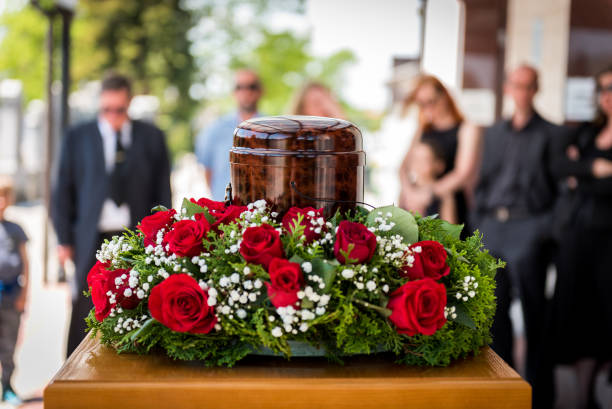
Dead Body Transportation in Pune Families across India handle these dignified moments with a unique blend of communal togetherness and structured ritualism. From the vibrant rural villages to the bustling urban centers, the arrival of extended family and supportive neighbors serves as the primary pillar of support. These observances provide a structured cultural framework allowing society to express gratitude, care for grieving households, and pass on oral histories.
Dignified Preparation and Family Care
The White Procession: Community Solidarity in Motion
Element
Primary Material
Cultural Significance
Clothing
Traditional White Attire
Reflects modest dignity and visual harmony.
Palanquin Frame
Natural Bamboo and Rattan
Shows natural elegance and traditional utility.
Garlands
Native Sweet Blossoms
Expresses high regard, warmth, and artistic beauty.
Herbal Preparations
Cooling Sandalwood and Rose Essence
Provides sensory elegance and traditional purification.
Subcontinental Diversity in Farewell Customs
Hospitality, Remembrance, and Social Continuity
Final Reflections: Honor, Artistry, and Unity
Dead Body Transportation in Hyderabad These subcontinental customs demonstrate a beautiful example of social values, artistic traditions, and profound community solidarity. Through turning a time of loss into an honorable display of community unity, these customs prove the enduring value of shared hospitality and tradition. With delicate floral craft, peaceful white processions, distinct regional arts, and open-door hosting, Indian culture honors the journey of the individual while fortifying the enduring bonds of the community for generations to come.